
Concept Design Review Guide | MJ Drafting & Designs
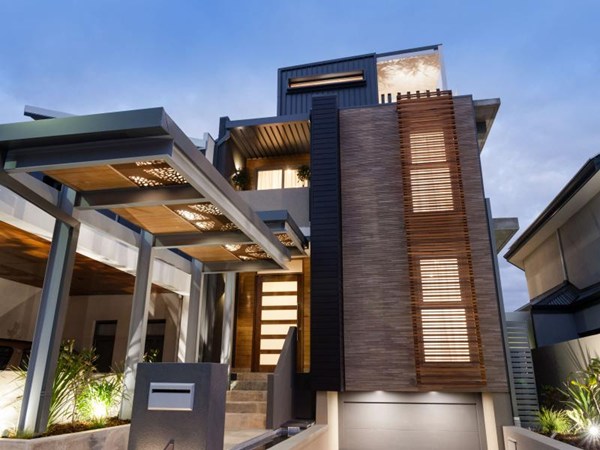
Designing and building your own home is an exciting journey. Ensuring that key design elements are considered early can save time, money, and stress later in the build. This guide has been prepared to help you review important aspects of your home design before progressing further.
Easy to use Checklists
Quick Check List Detailed Check ListSolar Passive Design & Natural Ventilation
In Australia’s climate, it is essential for homes to maximise natural heating and cooling through good design. A well-considered layout should take advantage of the sun’s position to capture warmth during winter while reducing heat gain in summer.
Window placement, shading elements such as eaves or awnings, and cross-ventilation all contribute to a more comfortable and energy-efficient home. Natural ventilation allows fresh air to circulate through the home without relying heavily on mechanical systems.
Room SizesWhen reviewing your design, consider whether each room is large enough to comfortably accommodate your existing furniture without feeling cramped or restrictive. This includes allowing sufficient space for movement, storage, and everyday use, rather than simply fitting items in on paper. It is equally important to think beyond your current needs and assess whether the space will remain practical over time. Changes such as a growing family, evolving lifestyles, working from home, or new furniture purchases can all impact how a room is used. Designing with flexibility in mind helps ensure your home continues to function well and adapt comfortably as your circumstances change in the future
Porch DesignA well-designed front porch provides essential shelter over the main entry, protecting the doorway and occupants from rain, sun, and other weather conditions while entering or leaving the home. Beyond its practical function, the porch also helps create a welcoming and inviting arrival space that sets the tone for the rest of the house. Adequate width allows for comfortable movement and the option to include seating or decorative elements, while sufficient roof coverage enhances comfort and contributes positively to the home’s overall street presence and curb appeal.
Kitchen DesignThe kitchen should function efficiently, with a well-considered layout that promotes smooth flow between key appliances such as the cooktop, sink, and refrigerator. Sufficient bench space is essential to allow for comfortable food preparation, serving, and everyday use without feeling cluttered. Adequate storage, including cupboards, drawers, and pantry space, helps keep the kitchen organised and functional by ensuring frequently used items are easily accessible. A well‑planned kitchen layout not only supports practical daily cooking but also enhances the experience of entertaining, making the space more enjoyable, efficient, and welcoming for both family members and guests.
Outdoor LivingThe size of your alfresco or outdoor living area should be carefully considered to ensure it suits your lifestyle and how you intend to use the space. Think about whether the area is large enough to comfortably accommodate seating, outdoor dining, and entertaining without feeling crowded or restrictive. It is also important to consider how often you host family gatherings, social events, or casual outdoor meals, as these activities may require additional space for furniture, circulation, and flexibility. A well-proportioned outdoor living area enhances comfort, usability, and enjoyment, creating a functional extension of the home that can be used year-round.
 BAthroom Layout
Bathroom design should provide enough space to comfortably serve the needs of the entire household, ensuring the room is practical, functional, and easy to use on a daily basis. The layout should allow for efficient movement within the space, avoiding congestion during busy times such as mornings or evenings. Consider whether the bathroom includes sufficient shower, bath, and vanity areas to suit your family’s routines, preferences, and ages. Adequate bench space, storage, and clear circulation zones all contribute to a more comfortable and user-friendly bathroom that supports everyday living while remaining adaptable as household needs change over time.
Laundry LayoutA functional laundry should provide sufficient space to comfortably accommodate essential elements such as the washing machine, laundry baskets, sorting areas, and a dedicated surface for folding clothes. The layout should allow for easy movement and efficient workflow, ensuring daily tasks can be completed without unnecessary clutter or inconvenience. Thoughtful placement of appliances, storage cupboards, shelving, and benchtops can greatly improve usability and help keep the space organised. Good laundry design not only makes everyday chores easier and more efficient but also contributes to a neater, more practical home that supports the demands of busy households.
Room and Furniture LayoutsIt is important to ensure that your existing furniture will comfortably fit within the proposed room layouts without compromising circulation, storage, or overall usability. Taking the time to measure both the furniture and the available floor space can prevent issues such as overcrowding or limited movement once the home is built. Larger or specialised items, such as pianos, pool tables, or home gym equipment, often require specific room dimensions, ceiling heights, access points, or additional structural support. Considering these requirements early in the design process helps ensure the space functions as intended and avoids costly modifications or compromises in the future.
Family FlowEvery family is different, with unique routines, priorities, and lifestyles that should be reflected in the design of their home. The layout should be carefully planned to support everyday living by providing safe, comfortable, and practical spaces that function well for all members of the household. Areas for family interaction, such as living, dining, and outdoor spaces, should encourage connection and ease of movement, while private zones like bedrooms or study areas allow for rest, focus, and retreat when needed. A well-considered family-focused layout ensures the home remains functional, adaptable, and enjoyable as family dynamics and needs evolve over time.
 Insulation Specifications
Good insulation plays a critical role in improving both comfort and energy efficiency within the home. Quality insulation helps regulate indoor temperatures by reducing heat loss in winter and limiting heat gain during warmer months, creating a more stable and comfortable living environment year‑round. By minimising reliance on heating and cooling systems, effective insulation can significantly reduce energy consumption and ongoing utility costs. In addition to thermal performance, insulation also improves acoustic comfort by reducing the transfer of noise between rooms and from outside sources. Together, these benefits contribute to a quieter, more efficient, and more comfortable home, enhancing overall livability and long‑term value.
Site LayoutAssessing whether the home design makes the best use of the site is a critical part of the planning process. Consider the orientation of the home to maximise natural light, ventilation, and energy efficiency throughout the day and across different seasons. Take into account how the design captures views, both within the site and to surrounding areas, while also managing privacy where needed. Easy and practical access to outdoor living areas, gardens, and recreational spaces should be considered to support everyday use and lifestyle enjoyment. In addition, proximity to nearby amenities such as parks, schools, shops, and public transport can significantly influence convenience and long-term livability, making thoughtful site planning essential to achieving a well-functioning and desirable home.
Storage SolutionsAdequate storage is an essential component of a well‑designed home, helping to keep living spaces organised, functional, and clutter‑free. Consider whether the home layout and garage design provide enough storage capacity to meet your everyday needs, including space for shelving, cabinets, and general household items. Well‑planned storage areas allow frequently used items to be easily accessible while ensuring less commonly used belongings are neatly stored away. Thoughtful consideration of storage throughout the home, including integrated cupboards and garage storage solutions, can greatly improve usability, maximise available space, and contribute to a more efficient and comfortable living environment.
Garage SizeIt is important to ensure the garage can comfortably accommodate your vehicle or vehicles without feeling tight or restrictive. The space should allow sufficient room for car doors to open fully, enabling safe and easy entry and exit for passengers. Consider additional clearance for storage, shelving, bicycles, or workshop areas without compromising vehicle access. A well‑sized garage should also provide convenient access to the home and driveway, allowing for smooth movement in and out on a daily basis. Thoughtful garage planning improves functionality, safety, and long‑term usability, particularly as storage and vehicle needs change over time.
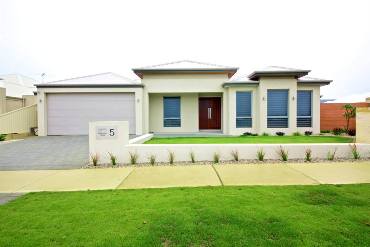 Street Facade
The street appearance of your home plays an important role in shaping its overall appeal and first impression. A well‑designed façade should complement the surrounding neighbourhood while still allowing your home to stand out in a positive and cohesive way. Consider elements such as proportions, materials, colours, roof forms, and architectural features, as these all contribute to how the home is perceived from the street. At the same time, the façade should reflect your personal style and preferences, creating a sense of identity and pride. Thoughtful façade design enhances curb appeal, adds long‑term value, and helps create a welcoming presence that feels both timeless and well‑considered.
Material SelectionMaterial choices play a significant role in the overall performance, durability, and appearance of a home. Selecting the right materials can influence long‑term maintenance requirements, energy efficiency, and how the home responds to local climate conditions. Materials such as bricks offer strength, thermal mass, and low maintenance, while timber provides warmth, flexibility in design, and a natural aesthetic. Steel is valued for its strength and structural reliability, particularly for framing and large spans, and various roofing materials can impact weather resistance, insulation performance, and overall character. Carefully considering these material options during the design phase helps ensure the home is not only visually appealing but also practical, efficient, and well‑suited to long‑term living.
Service ConnectionsIt is important to confirm that essential services such as water, power, and gas are either already available or planned for connection to the site. These services are fundamental to the functionality and comfort of the home and can have a significant impact on overall project planning. Early consideration of service availability allows potential constraints, upgrade requirements, or connection costs to be identified before design and construction commence. Addressing these factors upfront can help avoid delays, unexpected expenses, and design adjustments later in the process, ensuring a smoother and more efficient progression from planning through to completion.
Electrical LayoutLighting and power point locations should be carefully planned to support everyday living and ensure the home functions comfortably and efficiently. Consider how furniture will be arranged in each space so that lighting enhances usability and power points are conveniently located for lamps, electronics, and appliances. It is also important to account for the specific needs of different rooms, such as additional power points in living areas, kitchens, and home offices. Planning for future flexibility, including potential changes in furniture layouts, technology, or lifestyle requirements, helps ensure the electrical layout remains practical and adaptable over time, reducing the need for costly modifications later.
LandscapingHaving a landscaping plan helps create a functional and visually appealing outdoor space that complements the design of the home and enhances overall livability. A well‑considered plan allows outdoor areas to be organised purposefully for relaxation, play, entertaining, or garden use, rather than being developed in an unplanned or piecemeal manner. It is important to consider long‑term maintenance requirements, ensuring the landscaping remains practical and manageable over time. Climate suitability should also be taken into account when selecting plants and materials, helping reduce water usage and ongoing upkeep. Thoughtful planning of how outdoor areas will be used ensures the landscape remains attractive, functional, and enjoyable throughout all stages of home ownership.
Bin StorageIt is important to ensure there is adequate space to accommodate rubbish, recycling, and green waste bins in a practical and accessible location. Providing sufficient room allows bins to be stored neatly without obstructing pathways, driveways, or outdoor living areas. Convenient and discreet bin storage helps improve day‑to‑day usability by making waste disposal and collection easier, while also keeping bins out of direct view when not in use. Thoughtful bin storage design enhances the overall presentation of the home, contributing to a more organised, tidy, and visually appealing outdoor environment.
FencingIt is important to clarify early in the design and build process whether fencing is included as part of the construction contract or if it will need to be supplied and installed separately. Understanding this upfront helps avoid misunderstandings, delays, or unexpected costs once the build is underway. Decisions around front fencing should also carefully consider the balance between privacy, security, and visual appeal. The style, height, and materials of the fence should complement the overall design of the home and streetscape while providing an appropriate level of enclosure and safety. Thoughtful fencing choices can enhance both functionality and the aesthetic presence of the home.
 Swimming Pool
If a swimming pool is planned, careful consideration should be given to its location to ensure it allows for appropriate supervision from key living areas of the home. Clear sightlines from indoor living spaces or outdoor entertaining areas can greatly improve safety, particularly for families with young children. The pool layout should also comply with all relevant safety and regulatory requirements, including fencing, barriers, and access controls. In addition, convenient and direct access from living and alfresco areas enhances usability, encourages regular use, and integrates the pool seamlessly into the overall lifestyle and function of the home.
Open SpacesSufficient backyard space provides valuable areas for play, recreation, and relaxation for both children and families. Having a generous outdoor area encourages children to engage in physical activity, explore their surroundings, and enjoy creative play in a safe and familiar environment. For families, a well‑proportioned backyard supports outdoor entertaining, casual gatherings, and everyday leisure, helping to strengthen family connections and promote time spent outdoors. Thoughtfully designed open space contributes to healthier lifestyles, greater enjoyment of the home, and a balanced living environment that can be appreciated by all ages.
Roof DesignRoof styles such as gable, hip, skillion, or valley roofs have a significant impact on the overall character, streetscape presence, and visual appeal of a home. Each roof form offers its own aesthetic qualities while also influencing factors such as ceiling heights, internal layouts, drainage, and construction complexity. The chosen roof design should complement the architectural style of the home and surrounding environment while also responding effectively to practical considerations such as climate, sunlight, ventilation, and maintenance requirements. A well‑selected roof design balances both aesthetics and functionality, enhancing the home’s appearance, performance, and long‑term durability.
MJ Drafting & Designs
Helping you design functional, practical, and well-considered homes.
More